

How to Support Your Immune System Naturally at Home
Table of Contents
- What You'll Need Before You Start
- Step 1: Build Your Plate with Foods to Boost Immune System Function
- Step 2: Get the Right Immune Boosting Vitamins and Minerals
- Step 3: Make Lifestyle Changes for Better Immunity
- Step 4: Manage Stress and Hydration to Support Immune System Balance
- Step 5: Reduce Environmental Factors That Weaken Your Defenses
- Common Mistakes to Avoid When You Support Immune System Naturally
- A Few Words on Choosing Supplements
- Frequently Asked Questions
Last Updated: September 26, 2026
What You'll Need Before You Start
Learning how to support immune system naturally at home starts with a few basics. You don't need special equipment or pricey programs. You need a plan and a little consistency.
Here's what to gather before you begin:
- A weekly grocery list built around whole foods
- A simple way to track sleep, water, and movement
- A stress outlet you'll actually use
- A short list of supplements you've checked for safety
- Comfortable shoes for daily walks
Step 1: Build Your Plate with Foods to Boost Immune System Function
Food is the foundation. A balanced diet gives your body the vitamins, minerals, and antioxidants it needs to keep defenses strong. No powder replaces that.
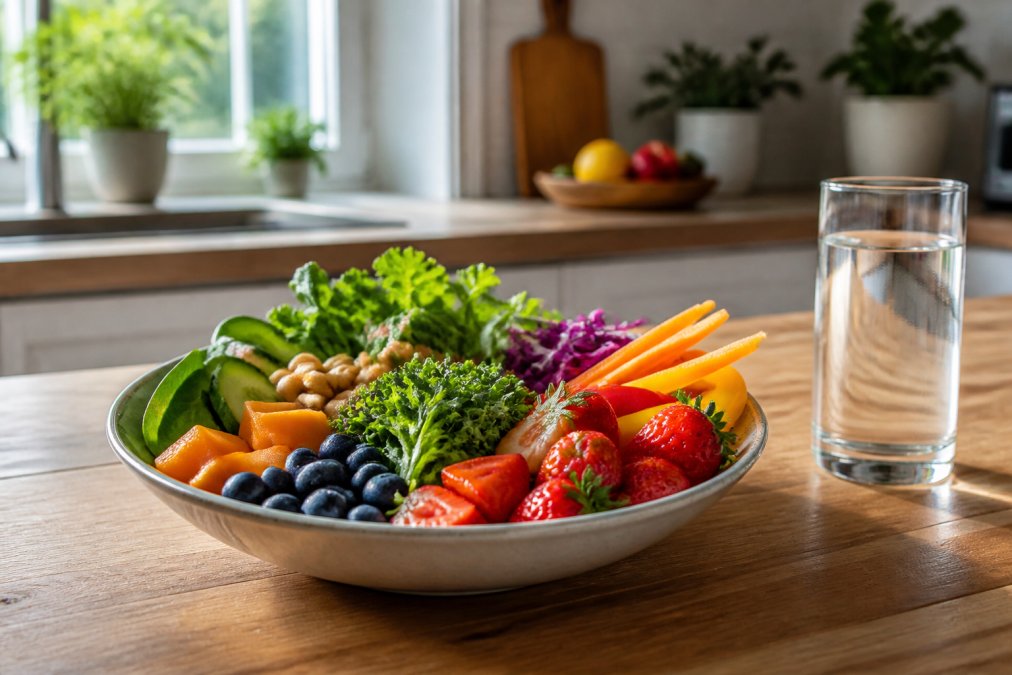
Fruits and Vegetables That Do the Heavy Lifting
Some produce pulls more weight than others. These are the ones worth keeping stocked:
- Citrus fruits for vitamin C
- Leafy greens like spinach and kale for folate
- Bell peppers for vitamin C and antioxidants
- Broccoli for vitamins A, C, and E
- Berries for antioxidants that fight oxidative stress
- Garlic and ginger for everyday flavor and support
Gut Health and the Microbiome Connection
Here's the part most guides skip. A large share of your immune cells live near your gut, so gut health and immune system function are linked more closely than people assume. The gut lining acts as a barrier, and the bacteria living there help train and regulate the immune cells on the other side of it.
Two levers do most of the work:
- Fiber, the fermentable kind found in oats, beans, lentils, onions, garlic, bananas, and cooled cooked potatoes. Gut bacteria ferment it into short-chain fatty acids, which are one of the main ways the microbiome talks to the immune system.
- Fermented foods, yogurt with live cultures, kefir, sauerkraut, kimchi, miso, and tempeh. These add live microbes and, in some cases, the same short-chain fatty acids.
What to Cut Back On
Adding good food matters, but so does removing what works against the gut. Two categories are worth watching:
- Ultra-processed foods, packaged snacks, sugary drinks, and many ready meals. They tend to be low in fiber and high in added sugar, which shifts the bacterial mix in an unhelpful direction.
- Excess alcohol, it disrupts the gut barrier and interferes with immune cell function. Cutting back is one of the highest-return changes you can make.
A Simple Week of Eating
If you want a starting structure rather than a list of rules, try this:
- Breakfast: plain yogurt with berries and oats, or eggs with spinach
- Lunch: a big salad or grain bowl with beans, leafy greens, and a fermented side
- Dinner: a palm-sized protein, a vegetable, and a starch like potatoes or rice
- Snacks: nuts, fruit, or vegetables with hummus
Step 2: Get the Right Immune Boosting Vitamins and Minerals
Certain nutrients do specific jobs. Vitamin C, vitamin D, zinc, and selenium all play a role in immune system function. Food should come first, but supplements can fill real gaps.
Common options and what they do:
- Vitamin C: supports white blood cells
- Vitamin D: linked to immune response, especially in low-sun months
- Zinc: helps immune cells work properly
- Selenium: supports antioxidant defenses
Supplement Safety and Limitations
This is where people get into trouble. Supplements are not reviewed the way drugs are, so quality varies a lot. A label claim is not proof.
Before you buy, check these boxes:
- Look for third-party testing on the label
- Stay near the recommended dose
- Check for interactions with any medication
- Ask a doctor before starting anything new
Step 3: Make Lifestyle Changes for Better Immunity
Sleep, movement, and light do more than any bottle. Lifestyle changes for better immunity are the highest-return habits you can build, and they cost nothing.
Sleep Hygiene and Circadian Rhythm Alignment
Your body runs on a clock, and your immune system follows it. Circadian rhythm alignment means sleeping and waking at consistent times, even on weekends.
Simple sleep hygiene habits:
- Keep a fixed bedtime and wake time
- Dim lights an hour before bed
- Keep the room cool and dark
- Skip screens in bed
- Cut caffeine after early afternoon
Step 4: Manage Stress and Hydration to Support Immune System Balance
Two quiet factors decide a lot: stress and water. Both are easy to ignore and both matter more than most people think.
Try one of these daily:
- Ten minutes of slow breathing
- A short walk outside
- Journaling before bed
- A warm shower with a calming mist
Step 5: Reduce Environmental Factors That Weaken Your Defenses
Your surroundings play a role too. Environmental factors like poor air, smoke, and harsh chemicals add stress to your body. Cutting them where you can gives your immune system less to fight.
Indoor Air Quality
Most people spend the majority of their time indoors, and indoor air can carry more pollutants than outdoor air in many homes. The main offenders are fine particles from cooking, volatile organic compounds from cleaning products and furnishings, and allergens like dust mites and mold spores.
What actually helps:
- Ventilate while cooking. Run the range hood every time you use the stove, even for a quick reheat. If you don't have one, open a window.
- Change HVAC filters on schedule. A clogged filter stops catching particles and starts recirculating them. Check the manufacturer's interval and stick to it.
- Control humidity. Keep indoor humidity roughly between 30 and 50 percent. Above that, dust mites and mold thrive. Below it, your airways dry out.
- Skip scented products when you can. Air fresheners and scented candles often add VOCs rather than remove odors. Ventilation does the real work.
- Consider a portable air cleaner with a HEPA filter for the room you sleep in. It won't replace ventilation, but it reduces airborne particles overnight.
Smoke and Vaping
Tobacco smoke is one of the most direct insults to your immune system. It damages the cilia in your airways that sweep out pathogens, and it changes how immune cells in your lungs respond to infection.
Cleaning and Hygiene Without Overdoing It
Handwashing works, but the details matter more than most people think. Soap and water for at least 20 seconds, scrubbing the backs of hands, between fingers, and under nails. Hand sanitizer is a backup, not a replacement, and it needs to be at least 60 percent alcohol to be effective.
Household Chemicals
Harsh cleaning products can irritate airways and skin, especially in poorly ventilated rooms. You don't have to throw everything out. A few swaps help:
- Choose fragrance-free or low-VOC cleaning products when available
- Ventilate the room while you clean
- Wear gloves for anything caustic
- Store chemicals away from living spaces
Preventative Care
Preventative care matters here as well. Staying current on recommended vaccines supports your immune system's memory, so when you do encounter a pathogen, your body recognizes it faster. The CDC's immunization schedules list what's advised by age and health status.
Common Mistakes to Avoid When You Support Immune System Naturally
Most people don't fail from lack of effort. They fail from a few predictable mistakes. Here are the ones we see most.
| Mistake | Why It Backfires | Better Move |
|---|---|---|
| Chasing one "miracle" food | No single food does it all | Build variety across the week |
| Megadosing supplements | Can cause harm, not help | Stay near the label dose |
| Skipping sleep for workouts | Raises cortisol, weakens defenses | Protect 7-9 hours first |
| Ignoring hydration | Slows nutrient delivery | Sip water all day |
| Buying unverified supplements | Quality varies widely | Check third-party testing |
A Few Words on Choosing Supplements
If you decide to add supplements, buy from a source you trust. Ask about testing and sourcing before you order. A good retailer will answer those questions without hesitation.
Frequently Asked Questions
Can you really boost your immune system naturally?
You cannot 'boost' it beyond normal function, but you can support it. Research shows that nutrient-dense foods, adequate sleep, regular physical activity, and stress management help your immune system function properly. The goal is balance, not overdrive. An overactive immune response can cause inflammation and autoimmune issues, so the aim is a well-regulated system, not a supercharged one.
What vitamins are essential for immune health?
Vitamin C, vitamin D, zinc, and B6 are the most studied immune boosting vitamins. Vitamin C supports white blood cells and antioxidants; vitamin D helps regulate immune response; zinc supports cellular health. Food sources include citrus, fatty fish, nuts, and leafy greens. If you use supplements, check third-party testing and stay within recommended daily amounts to avoid toxicity.
How does sleep affect your immune system?
Sleep is when your body produces cytokines, proteins that target inflammation and pathogens. Chronic sleep loss lowers antibodies and white blood cells. Aim for 7-9 hours, keep a consistent schedule, and align your circadian rhythm by getting morning light and dimming screens at night. Sleep hygiene is one of the most direct lifestyle changes for better immunity.
What foods should I eat to support my immune system?
Focus on foods to boost immune system function: citrus fruits, berries, leafy greens, garlic, ginger, yogurt with probiotics, and fatty fish. These provide vitamins, minerals, antioxidants, and gut health support. A balanced diet with moderation beats any single 'superfood.' Pair these with hydration and regular physical activity for the best results.
Building real immune support takes weeks of small, steady choices, not a single purchase. That's the hard part, and it's also the good news: you already control most of what matters. Bills variety store can help you fill the gaps with immunity support supplements, aromatherapy shower mists for stress relief, and everyday wellness items, all backed by custom sourcing when you need something specific. Get started with Bills variety store and build a routine your body can actually keep up with.